What to Check Before Buying an Apartment
A detailed apartment inspection and due-diligence checklist covering legal status, building condition, costs, noise, utilities, and resale risk.
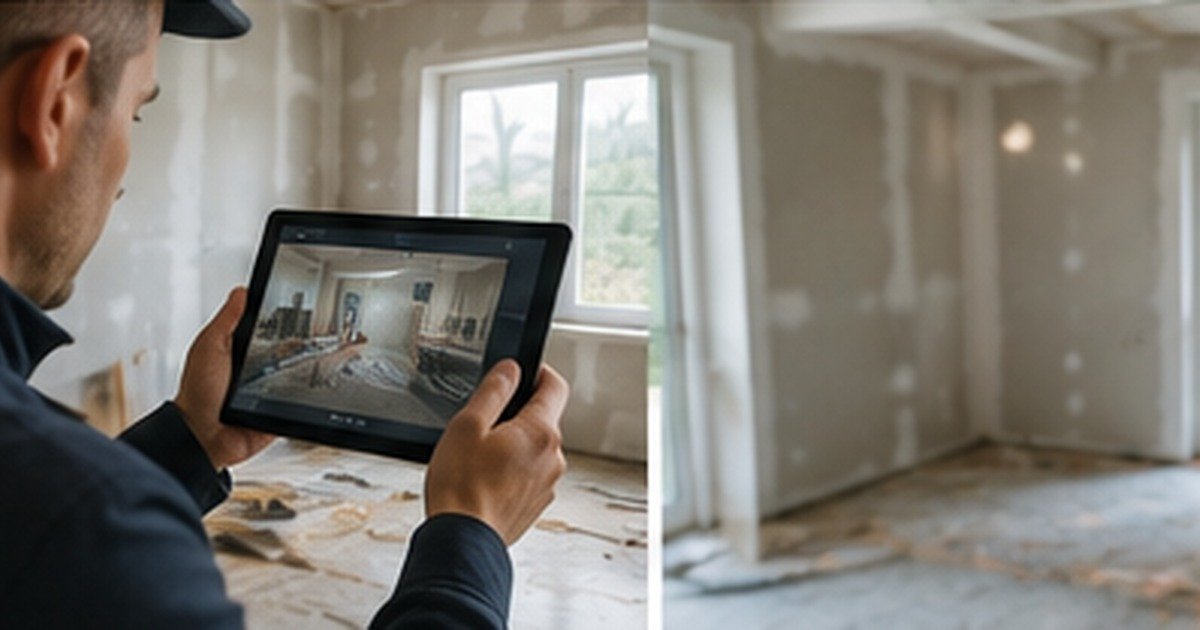
A detailed apartment inspection and due-diligence checklist covering legal status, building condition, costs, noise, utilities, and resale risk.
Property decisions combine money, law, location, and emotion. That makes shortcuts expensive. A strong process separates facts from sales language, checks the legal and physical condition of the property, and calculates the full cost rather than focusing only on the advertised price. The exact rules vary by country and transaction, so professional local advice remains important, but the decision framework is broadly consistent.
Clarify purpose and budget
Decide whether the property is primarily a home, rental investment, holiday base, renovation project, or long-term store of value. Each goal changes the importance of location, liquidity, seasonality, management, transport, schools, and condition. Build a budget that includes acquisition costs, repairs, furnishing, taxes, insurance, management, and a reserve for unexpected work.
Verify legal status
Confirm ownership, title history, boundaries, registered area, permitted use, planning status, building permits, liens, mortgages, disputes, tenancy rights, and any restrictions affecting foreign buyers or specific property types. The seller’s documents should be checked independently by a qualified local lawyer or notary where applicable. A deposit should never replace due diligence.
Inspect the physical property
A viewing is not a technical inspection. Check structure, moisture, roof, windows, plumbing, electrical installation, heating and cooling, ventilation, insulation, common areas, lifts, drainage, access, noise, orientation, and signs of unapproved alterations. For older, coastal, rural, or renovated property, an independent survey or engineer can prevent expensive surprises.
Legal and financial checklist
Verify seller identity and authority, title and encumbrances, registered apartment area, permitted alterations, occupancy or use documents where relevant, building debts, common charges, taxes, leases, and planned building works. Compare the contract with the advertisement and written negotiations. Confirm the deposit conditions, deadlines, remedies, and what happens if due diligence finds a problem.
Inspection checklist
Open windows and taps, test pressure, look behind furniture where possible, check meters, electrical panel, heating, cooling, drainage, moisture, cracks, floors, doors, sound transmission, mobile signal, internet options, storage, parking rights, lift condition, roof or basement exposure, and common areas. Return after rain or at a noisy time when risk is suspected.
Understand the location
Visit at different times and test the real journey to work, schools, shops, healthcare, public transport, and airports. Check planned construction, flood or fire exposure, parking pressure, tourism seasonality, short-term rental rules, and the condition of surrounding buildings. A good apartment cannot fully compensate for a location that conflicts with the buyer’s daily life or investment plan.
Calculate the complete transaction
Ask for a written estimate of taxes, legal and notarial fees, registration charges, agency commission, valuation, survey, financing, translation, insurance, utility connections, and immediate repairs. Confirm which party pays each item and when it becomes due. Currency movements and international transfers can also change the final amount.
Use independent professionals
The agent can coordinate a transaction, but the buyer should have independent legal and technical advice. Verify professional credentials, responsibilities, fees, and conflicts of interest. Keep material promises in writing and use traceable payment methods. No legitimate urgency removes the need to verify ownership, contract terms, and the destination of funds.
Practical checklist for apartment buying checklist
- Define the goal and the next decision.
- Collect and verify the relevant facts and documents.
- Use accurate images, pricing, location, and descriptions.
- Keep important promises and calculations in writing.
- Track enquiries, questions, costs, and follow-up actions.
- Use independent professional advice for legal and technical risk.
Frequently asked questions
Does a longer article automatically rank better?
No. Length is only a quality-control floor. Search performance depends on relevance, originality, clarity, authority, technical accessibility, links, and whether the page satisfies the user’s intent.
Should I rely only on information found online?
No. Online guidance is useful for planning, but legal, tax, financing, and technical decisions should be confirmed with qualified professionals in the location of the property.
How can EasyM2 help?
EasyM2 lets users search and publish property listings, while agencies can use EasyStartCRM to manage properties, buyers, leads, follow-ups, and matching in one connected workflow.
How to review the result
Review the page as a user who has no background information. The title should explain the promise, the opening should answer the main question, headings should make the process easy to scan, and every recommendation should lead to a practical action. Remove repetition, unsupported claims, and generic filler. Update figures and regulations when they change, and record the review date so readers can judge freshness.
Keep the information current
Property information loses value when it becomes stale. Review the article, linked listings, prices, regulations, contact details, and location references on a regular schedule. Add a visible update date when material facts change. Remove claims that can no longer be verified and replace broad estimates with current local evidence whenever reliable data becomes available. A smaller library of maintained guides is more useful than a large archive that quietly becomes inaccurate.
Conclusion
What to Check Before Buying an Apartment is not about completing a checklist mechanically. It is about creating a reliable decision process. Clear information, verified documents, realistic costs, honest presentation, and timely follow-up reduce risk for everyone involved. Use EasyM2 to discover or publish relevant property opportunities, and use EasyStartCRM when a structured agency workflow is needed.